Spring conditions on the Icefall Traverse
Icefall Traverse (Lyell, Mons, Alexandra, Icefall and Rostrum huts)

May 5, 2026
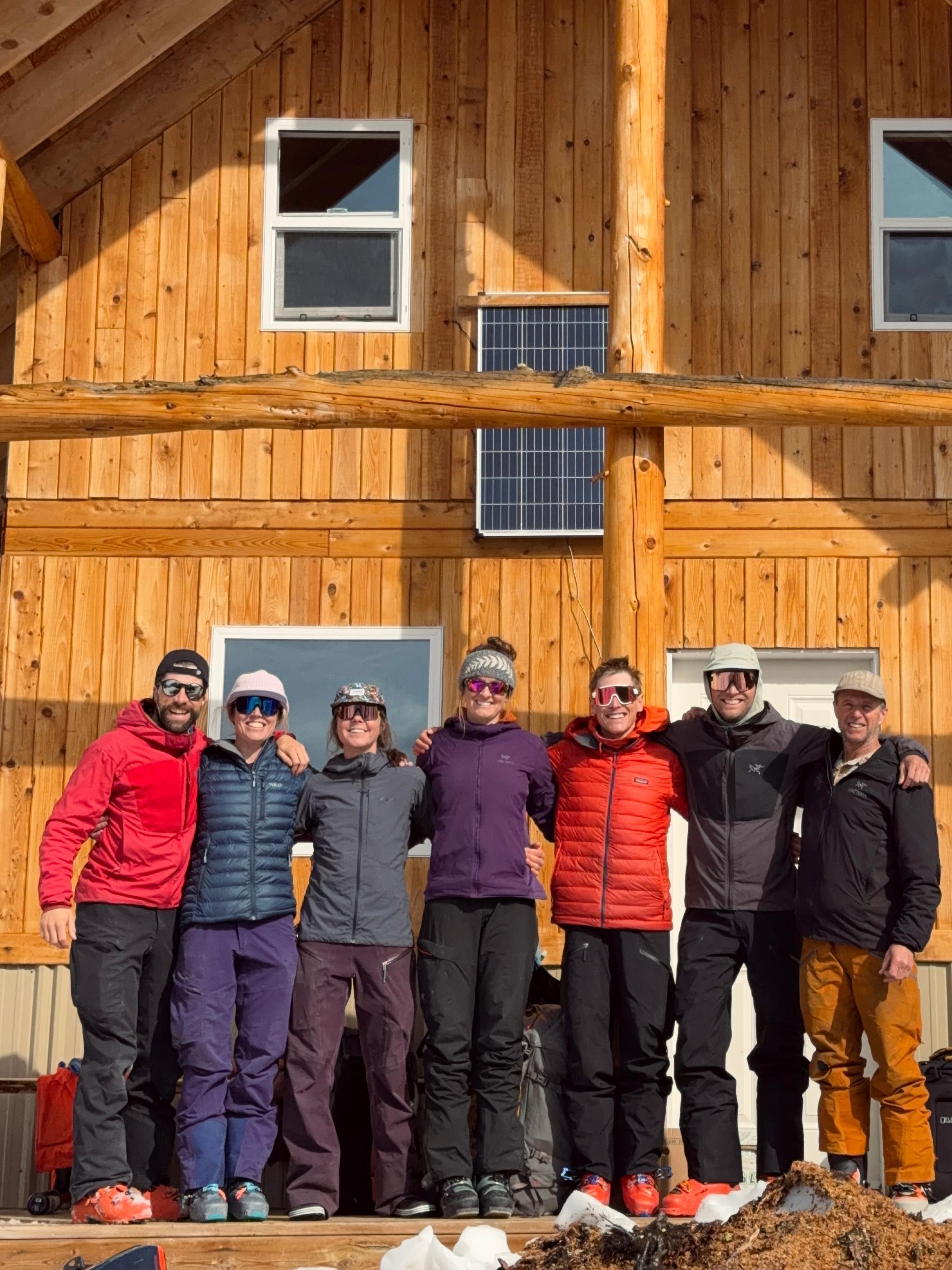
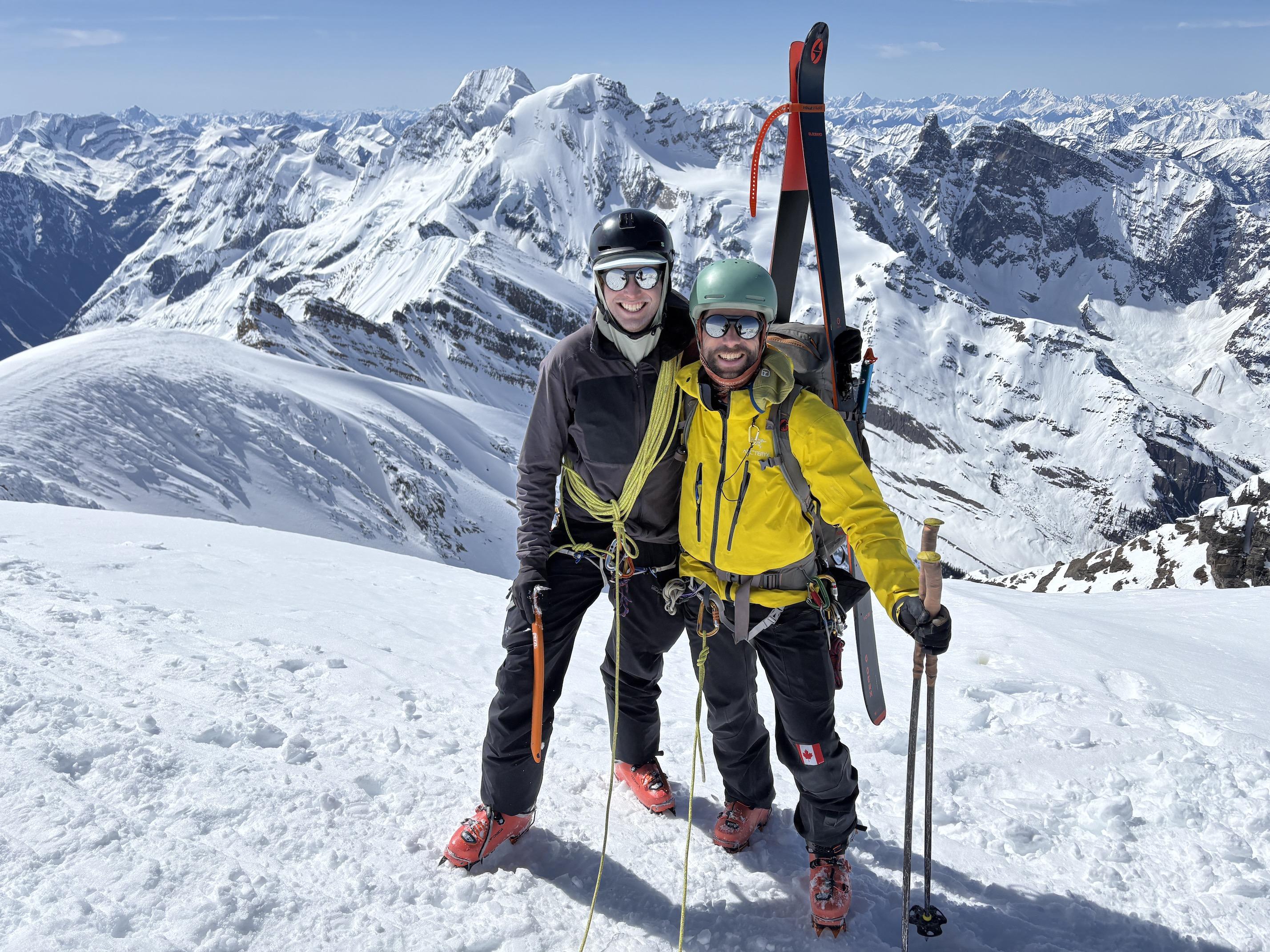
This summary of the April 28-May 4 ACMG Training and Assessment Program ski guide exam was prepared by the exam candidates - Oli, Sarah, Roz, Philippe and Nolan.
Trip Summary
Day 1: One group Mons Peak and one group Division Shoulder
Day 2: One group Mons Hut to Lyell Hut via La Schwa traverse route, up Christian Peak. One group up Mons Peak then traversed to Lyell Hut via La Schwa.
Day 3: One group through Probe Pass bypass route, up Edward/Ernest Col, down Wild West. The other group travelled through Probe Pass, ascended Ernest Peak, then descended Wild West to Alexandra Hut.
Day 4: One group ascended through Shark's Gate to La Clytte Glacier, descended to Icefall Lodge. One group ascended the Portal Creek drainage to Portal Pass, descended to Icefall Lodge
Day 5: One group Attempted to bootpack the Espresso Shots, but turned around due to warm conditions and isothermal snowpack. Pivoted to plan B: skied the Portal drainage. The other group attempted the Tivoli circuit, but turned around on the Tivoli Shoulder due to firm conditions. Pivoted to plan B: skied La Clytte.
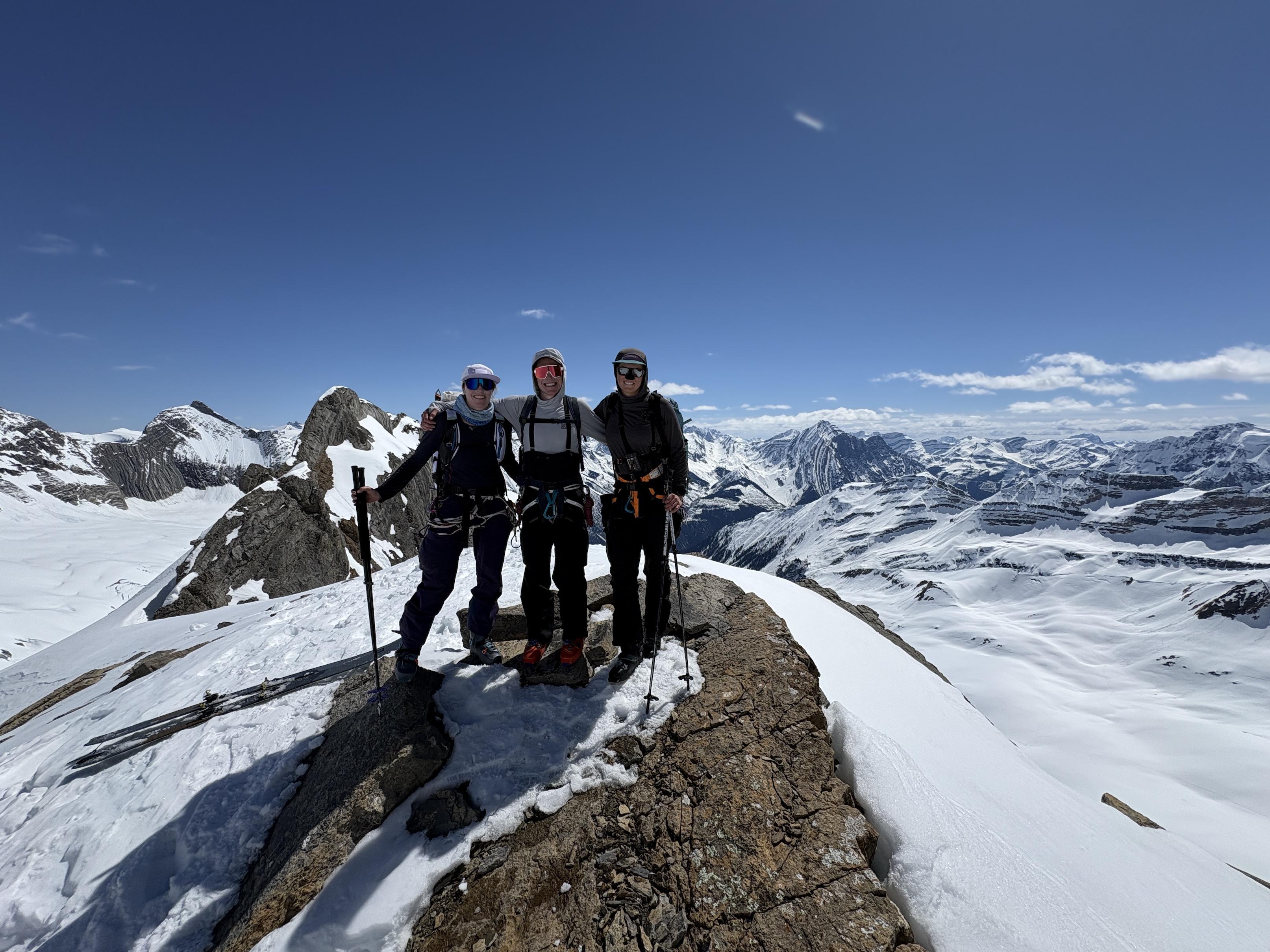
Day 6: One group ascended Ice Pass to Mt Kemmel, descended south east ridge to the Rostrum Cabin.The other group ascended the #2 shot to Espresso Peak, then skied the Espresso West Ridge via Maiden Voyage. Ascended benches to Ice Pass. Descended to the Rostrum Cabin.
Weather
A long-lasting high-pressure system dominated the week. We saw less than 2-3 mm of precipitation during the week, with a mix of sun and clouds. Ridge top winds were predominantly light from the NW, occasionally gusting to moderate above 3000m.
The first few days, the freezing level hovered around 2400m and eventually climbed to over 3000m by the end of the week.
We observed good overnight recoveries due to radiative cooling even when nighttime temperatures were above freezing. As the warm system pushed in towards the tail end of the week, the crust broke down earlier in the day.
Snowpack Summary
The snowpack within the Icefall Lodge tenure was generally strong and progressively resistant with no prominent persistent weak layers. We observed widespread wind effect in the high alpine northern aspects where the crust wasn't present. The previously reported alpine wind slabs were well bonded to the underlying snowpack by the time we arrived in the field.
On all other aspects and elevations, we encountered spring conditions - a supportive melt-freeze crust in the morning breaking down closer to 11 AM. In the afternoon, the snow would turn isothermal below 2100m offering suction-cup ski conditions. Multiple melt-freeze crust were present in the top 30cm due to recurring freeze-thaw conditions.
The snowpack depths on the glaciers were highly variable due to unusual wind patterns throughout the winter. They ranged from 100-320+cm. Overall, the crevasses were well bridged.
Avalanche Summary
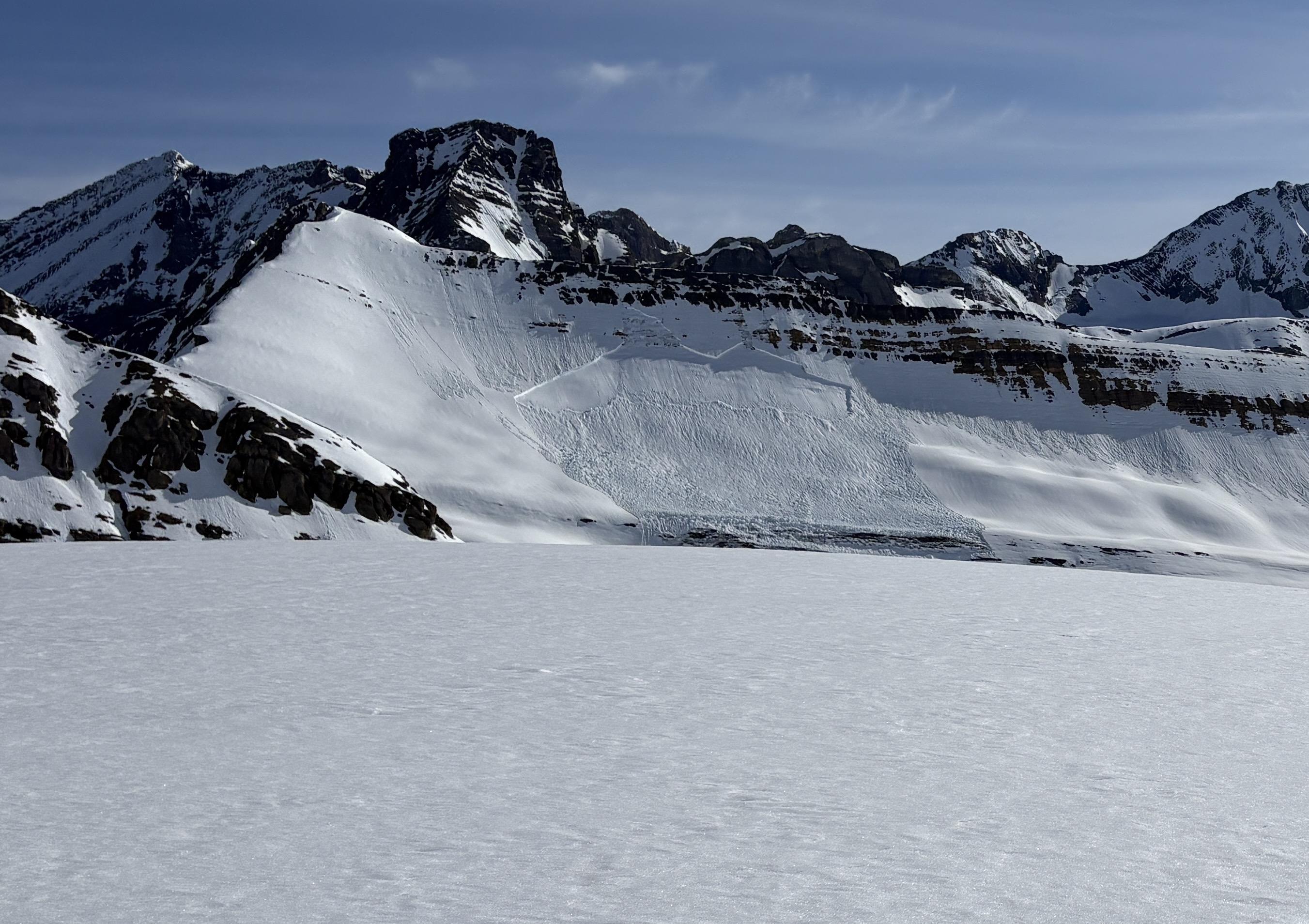
The week started out with minor avalanche activity occurring with daytime warming. Loose wet avalanches up to size 2 were observed out of steep solar alpine terrain, especially close to heated rocks.
On April 30th, we witnessed serac releases in the Alexandra Valley as well as a large fresh releases on the Wild West from the previous day.
May 2 defined the start of a widespread avalanche cycle from increased daytime temperatures, rising freezing levels, and solar input. We witnessed numerous glide slab avalanches up to size 2, wet slabs up to size 3 and loose wet to size 2.
Other Hazards
The Wild West icefall was active on April 30th as we encountered fresh serac debris on our descent the following day. Crevasses were well bridged with a deep, strong snowpack throughout the tenure and several stout melt-freeze crusts.
Overhead glide cracks were a significant concern with many features releasing throughout the week.
Firm surfaces in the morning made for very challenging skiing.
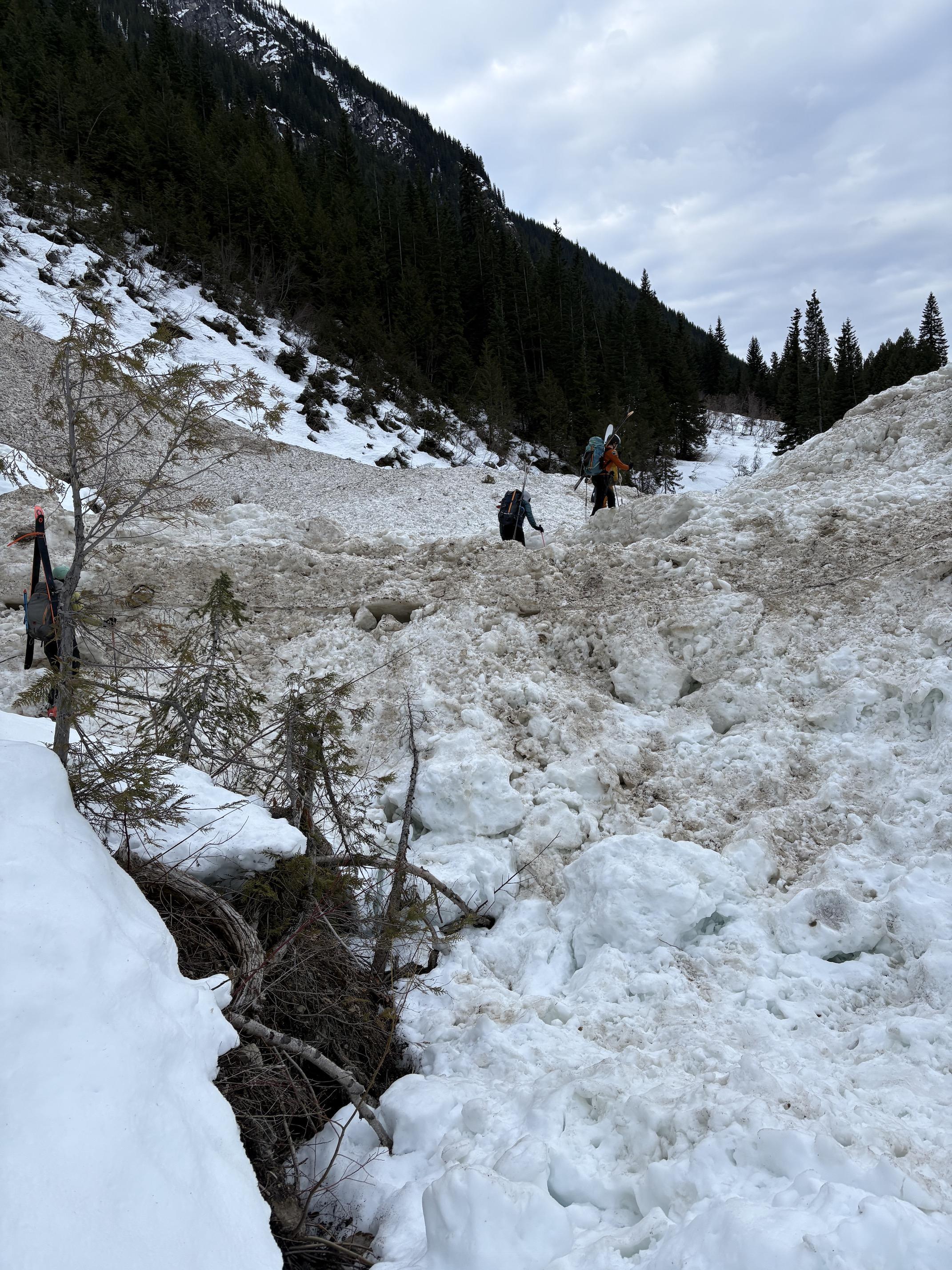
The valley bottom travel was industrial with a dwindling snowpack, exposed rocks/creeks and widespread avalanche debris to size 4. We encountered many mandatory creek crossings (some requiring boots off) on the way to the Portal drainage from the Alexandra hut.
The warm temperatures and intense solar radiation throughout the week were another considerable hazard for the group - dehydration, sunburn and heat exhaustion.