Public Safety Notice and Conditions Report – Mt. Charlton / Mt. Unwin Area
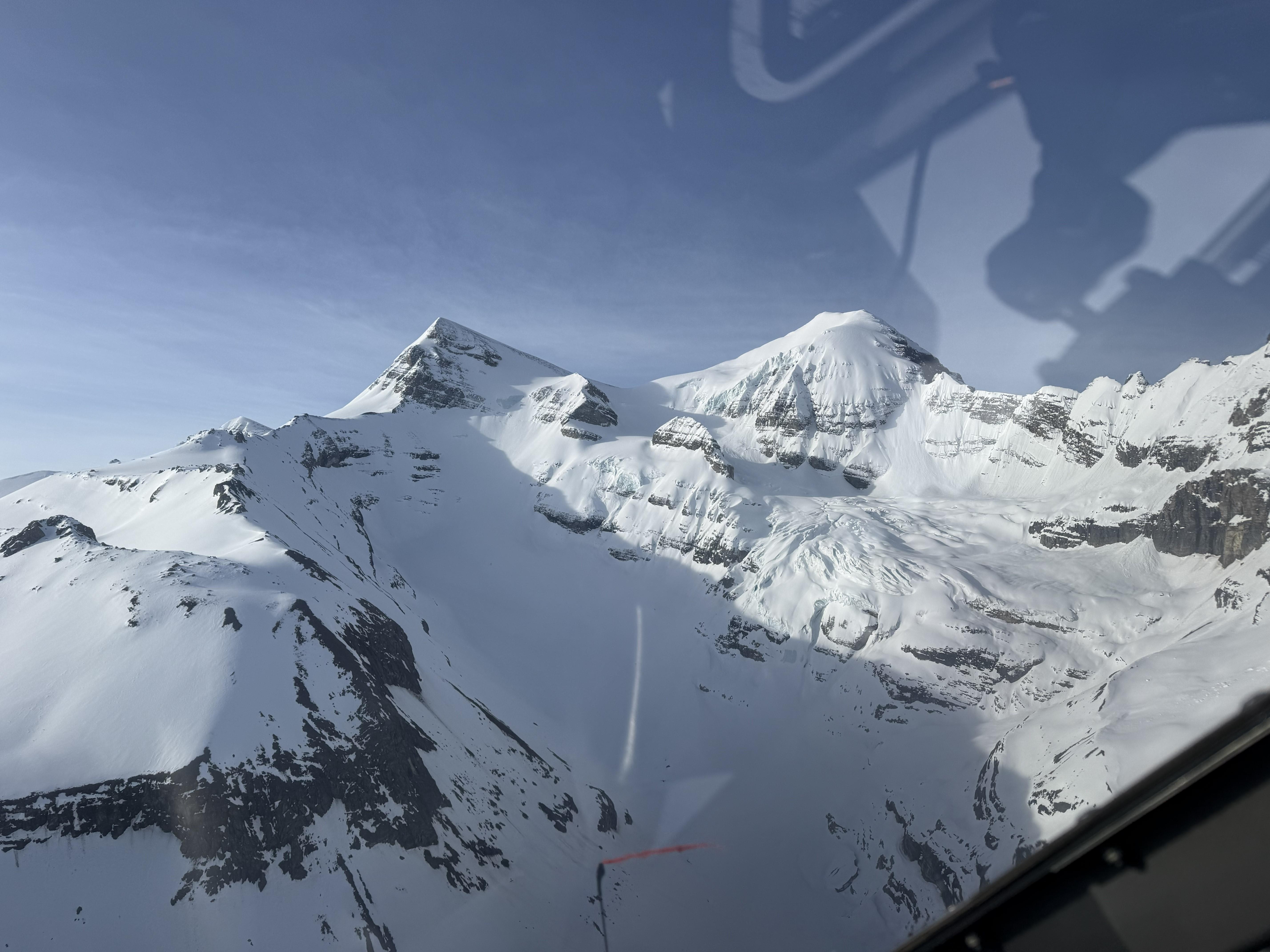
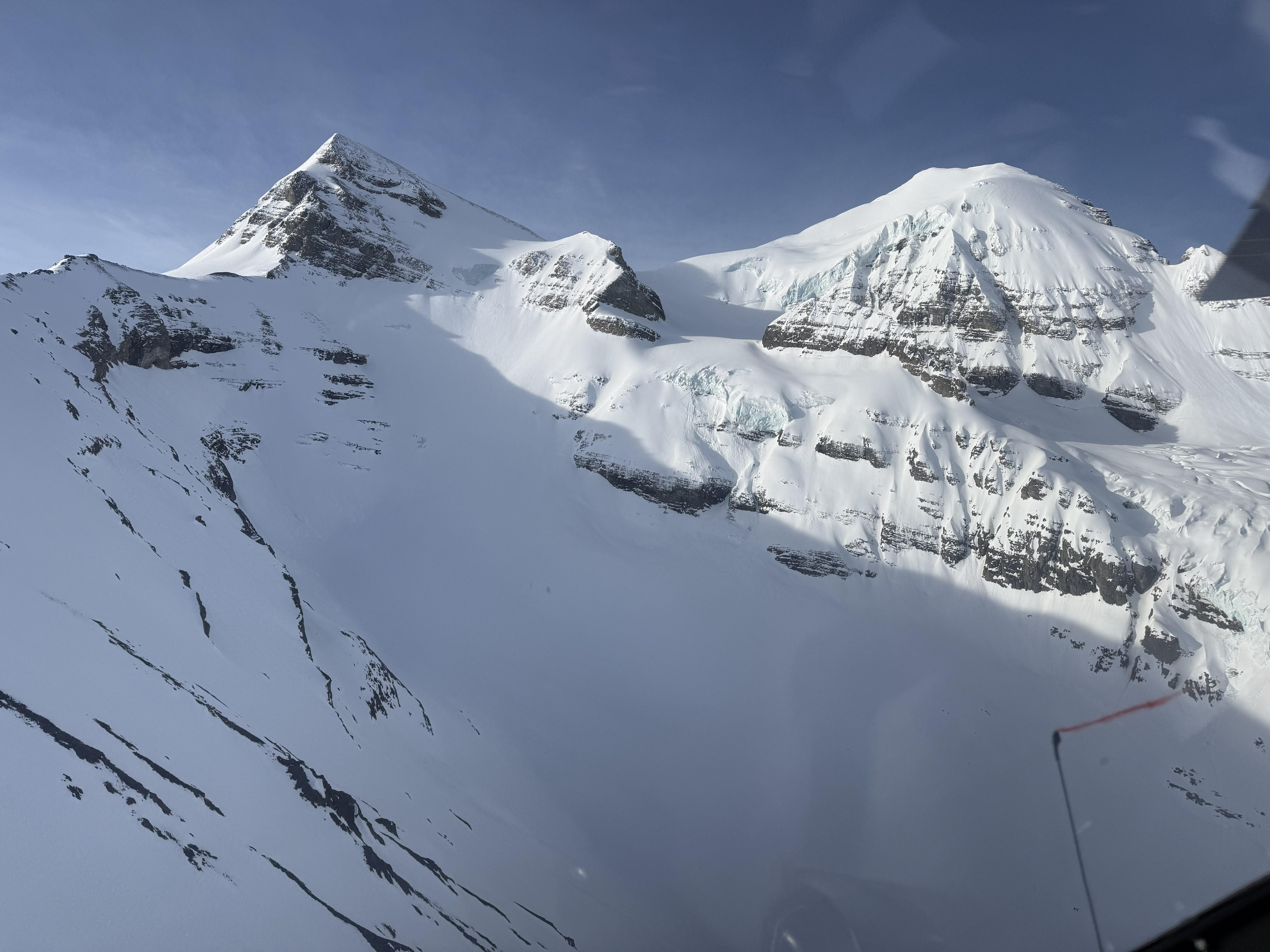
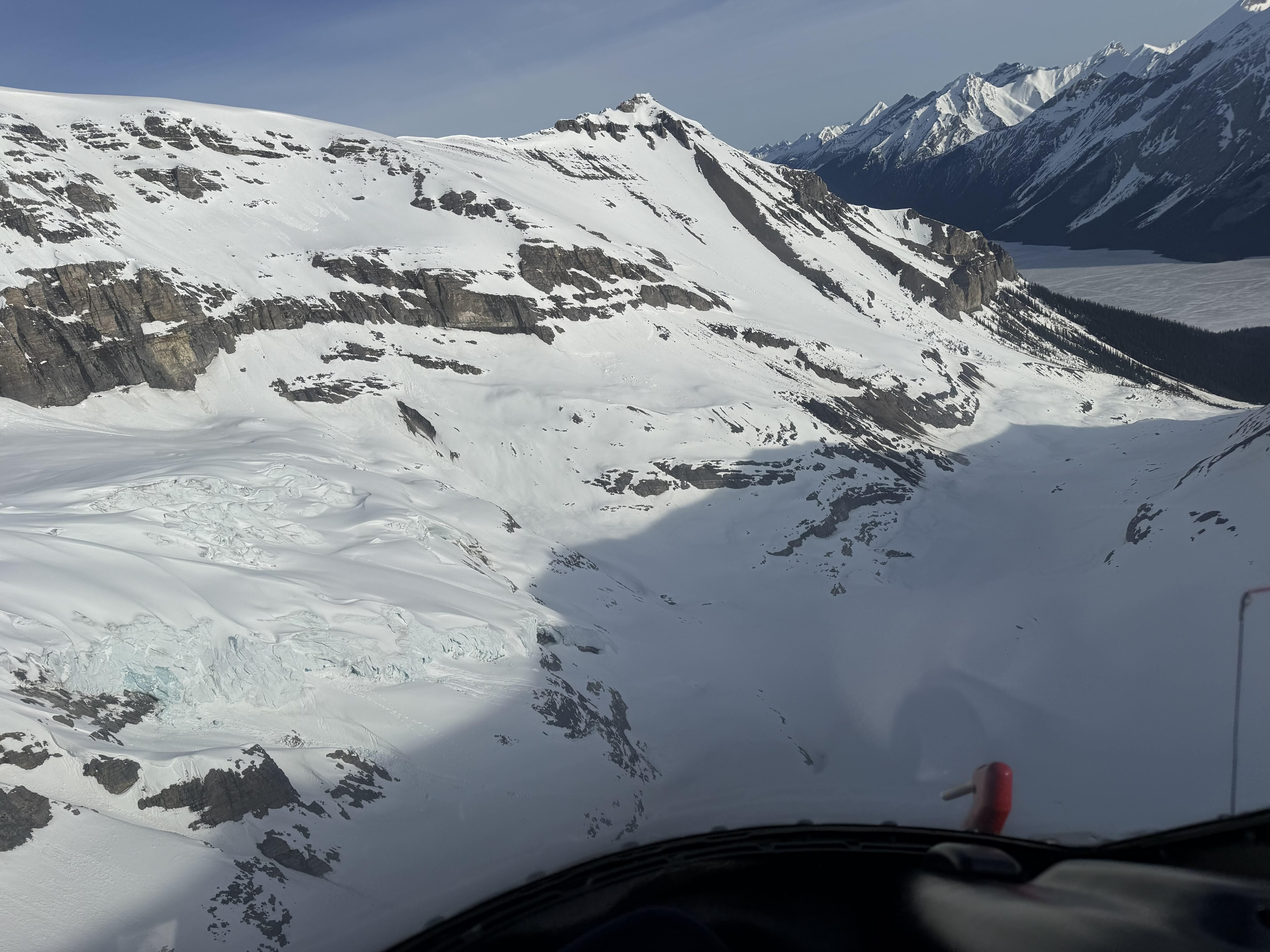
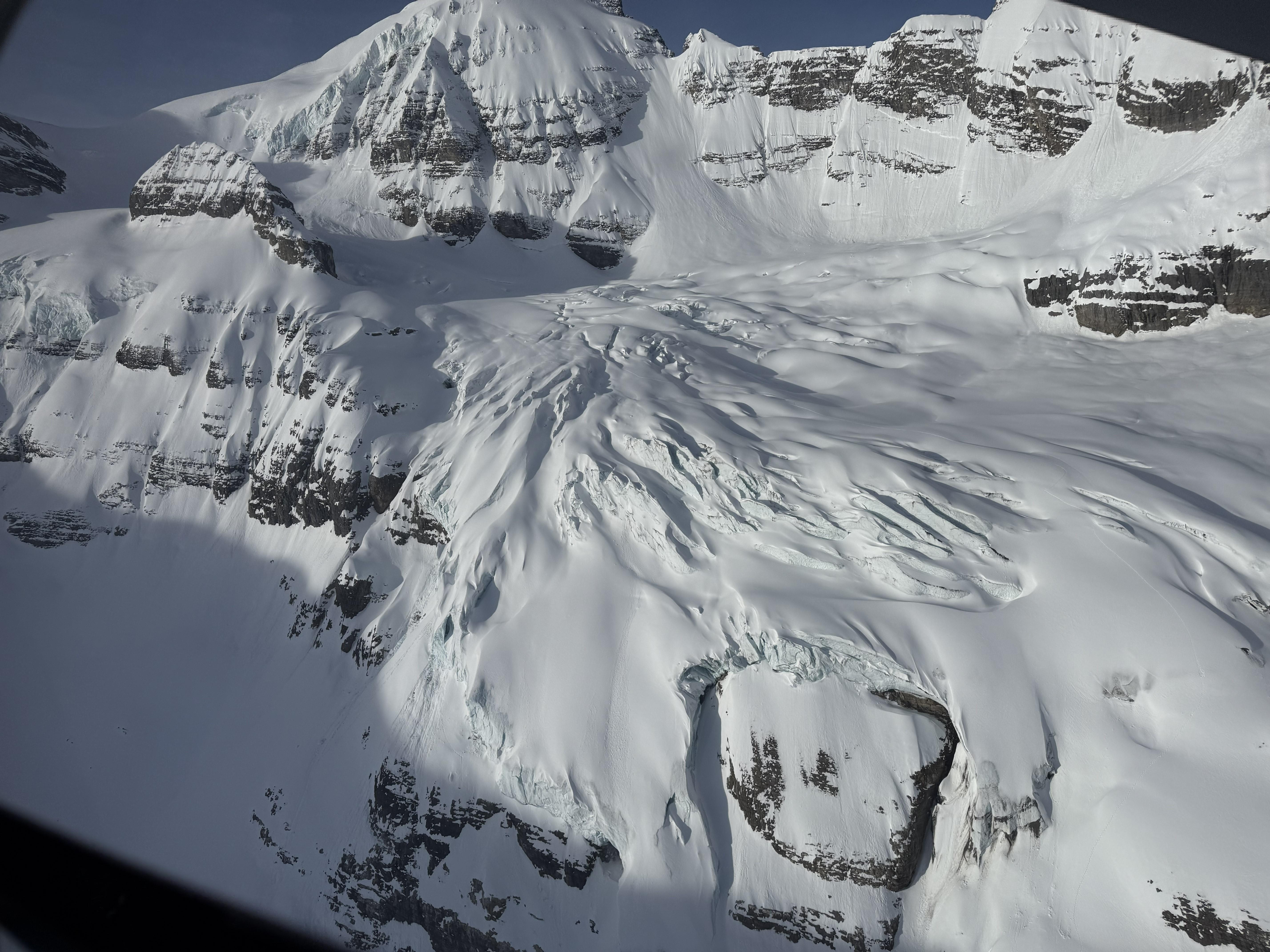
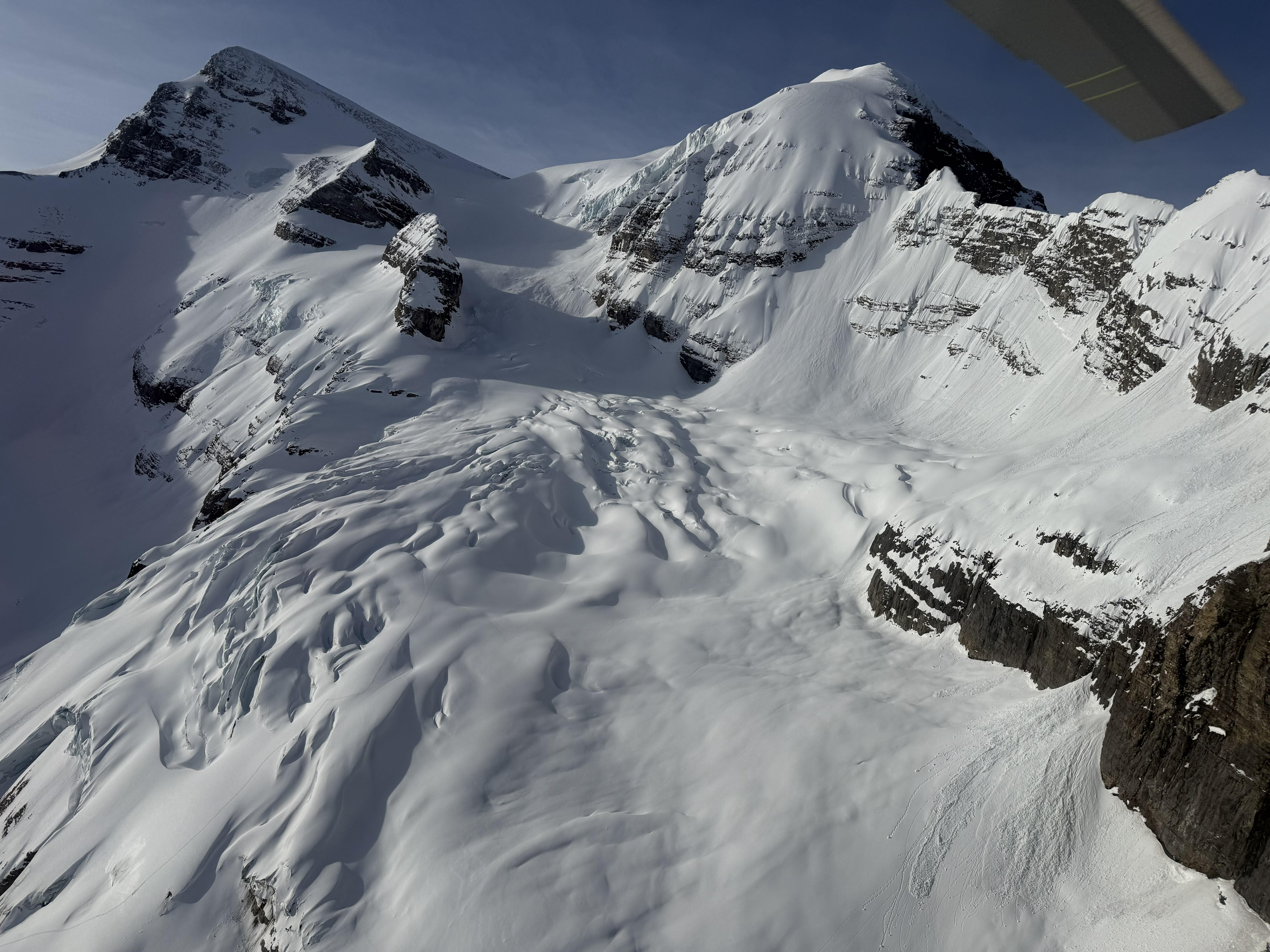
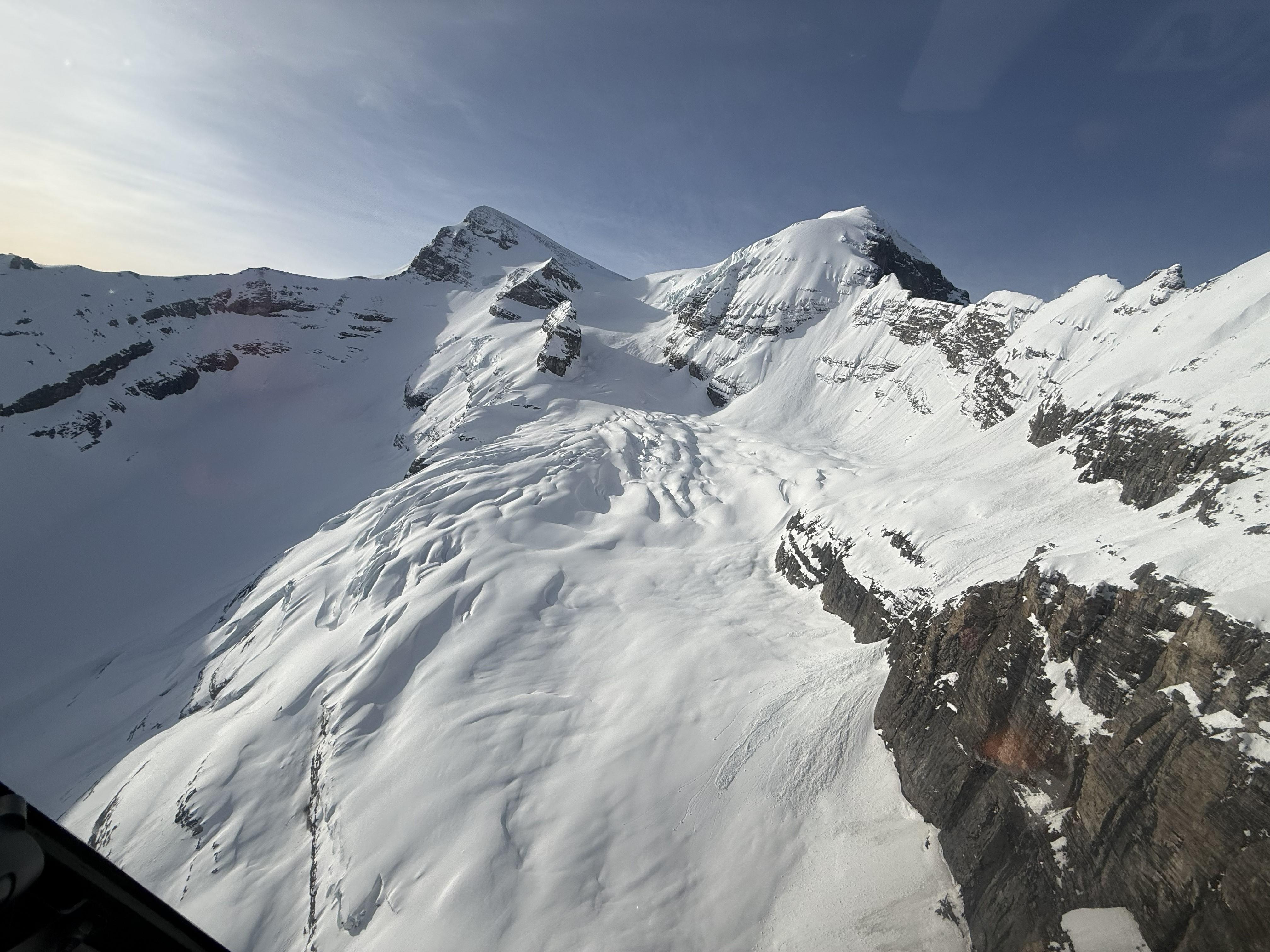
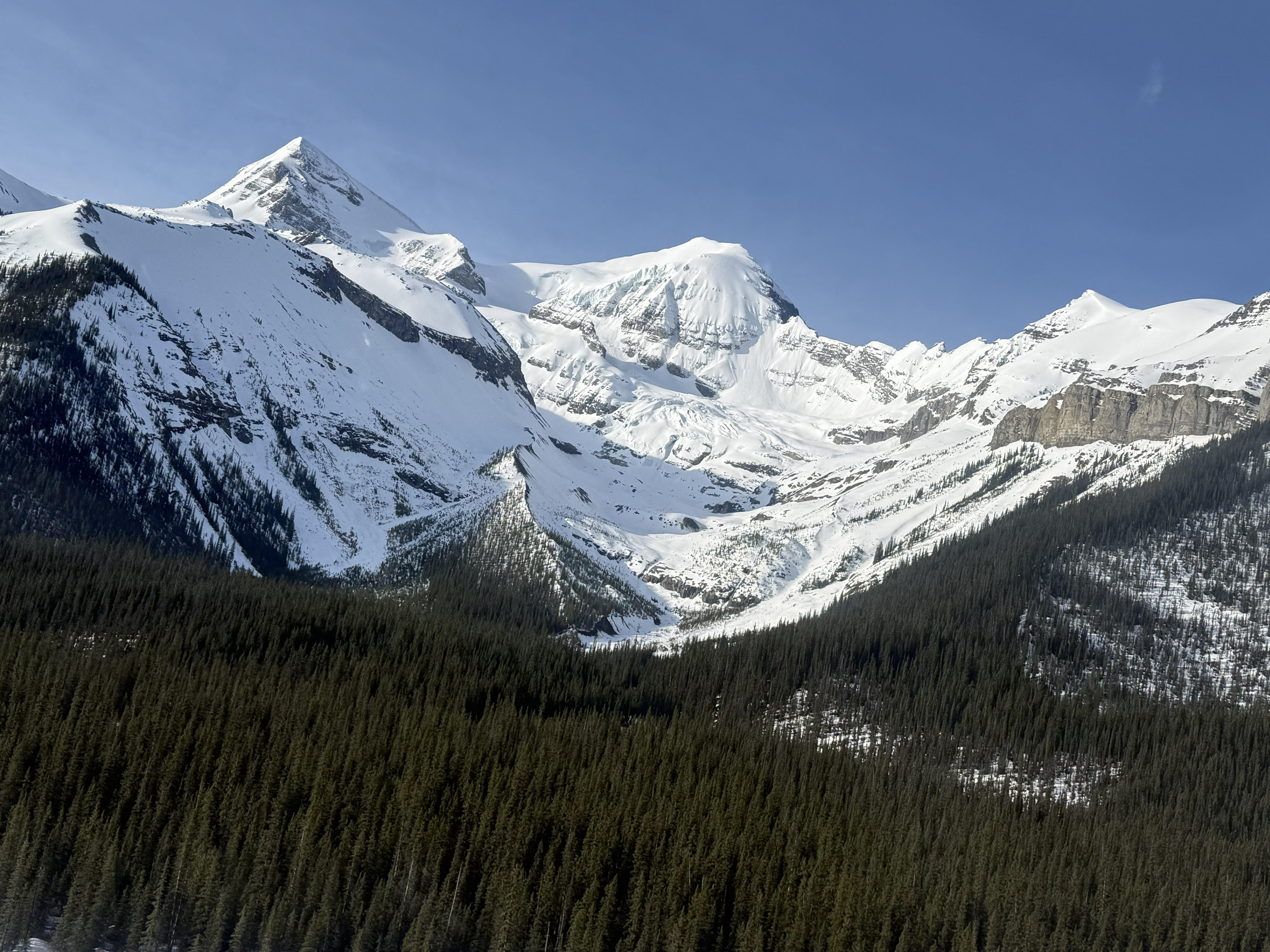
Charlton Unwin North Glacier

May 3, 2026
Parks Canada, in coordination with Arrow Helicopters, recently responded to an incident involving an injured skier on the north glacier between Mt. Charlton and Mt. Unwin. The individual was successfully located and evacuated.
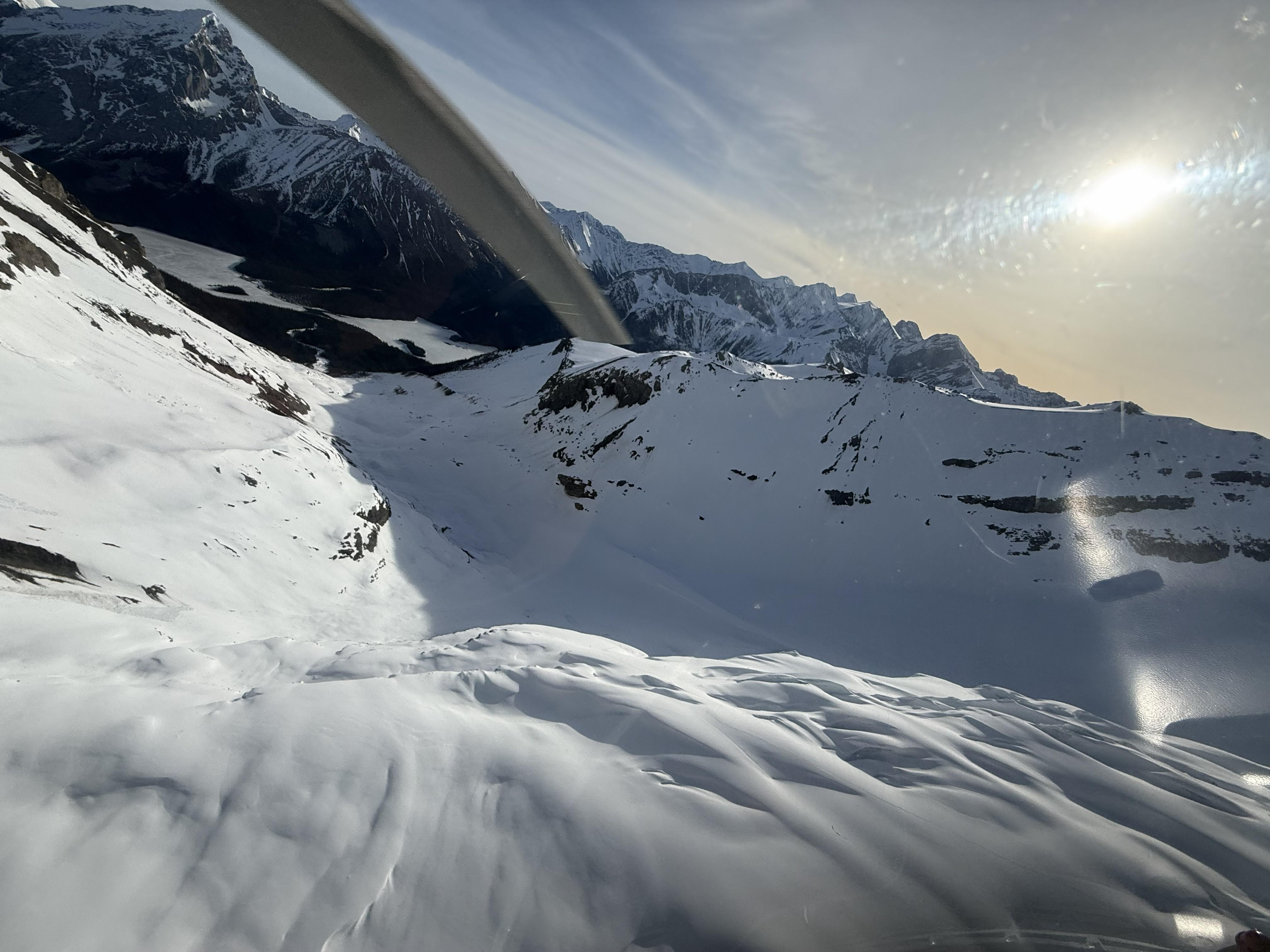
During the course of the rescue operation, personnel were able to gather updated observations and terrain imagery for the surrounding area. These observations, combined with recent reports from backcountry users, provide the following conditions summary:
Two independent parties who summited Mt. Charlton and Mt. Unwin within the past week reported generally favorable travel conditions on lake ice during their approach. However, an aerial assessment conducted in the afternoon identified visible signs of water pooling on the ice surface, indicating deteriorating conditions as temperatures rise.
A May 2 ascent party reported that northerly aspects above 2500 metres on the glacier remained dry.
Rescue personnel observed evidence of recent serac fall activity.
Signs of recent natural wet slab avalanches were noted on solar aspects extending into the lower alpine.
The involved party demonstrated a high level of preparedness: they were equipped to spend an unplanned night outdoors, carried satellite communication devices, and were able to effectively coordinate assistance and support the safe evacuation of their injured member.
Backcountry users are reminded that conditions can change rapidly in spring environments. Proper trip planning, hazard awareness, and carrying appropriate emergency equipment are essential for safe travel.
Parks Canada encourages all visitors to assess current conditions carefully and to be prepared for self-reliance in remote alpine settings.