Hi all,
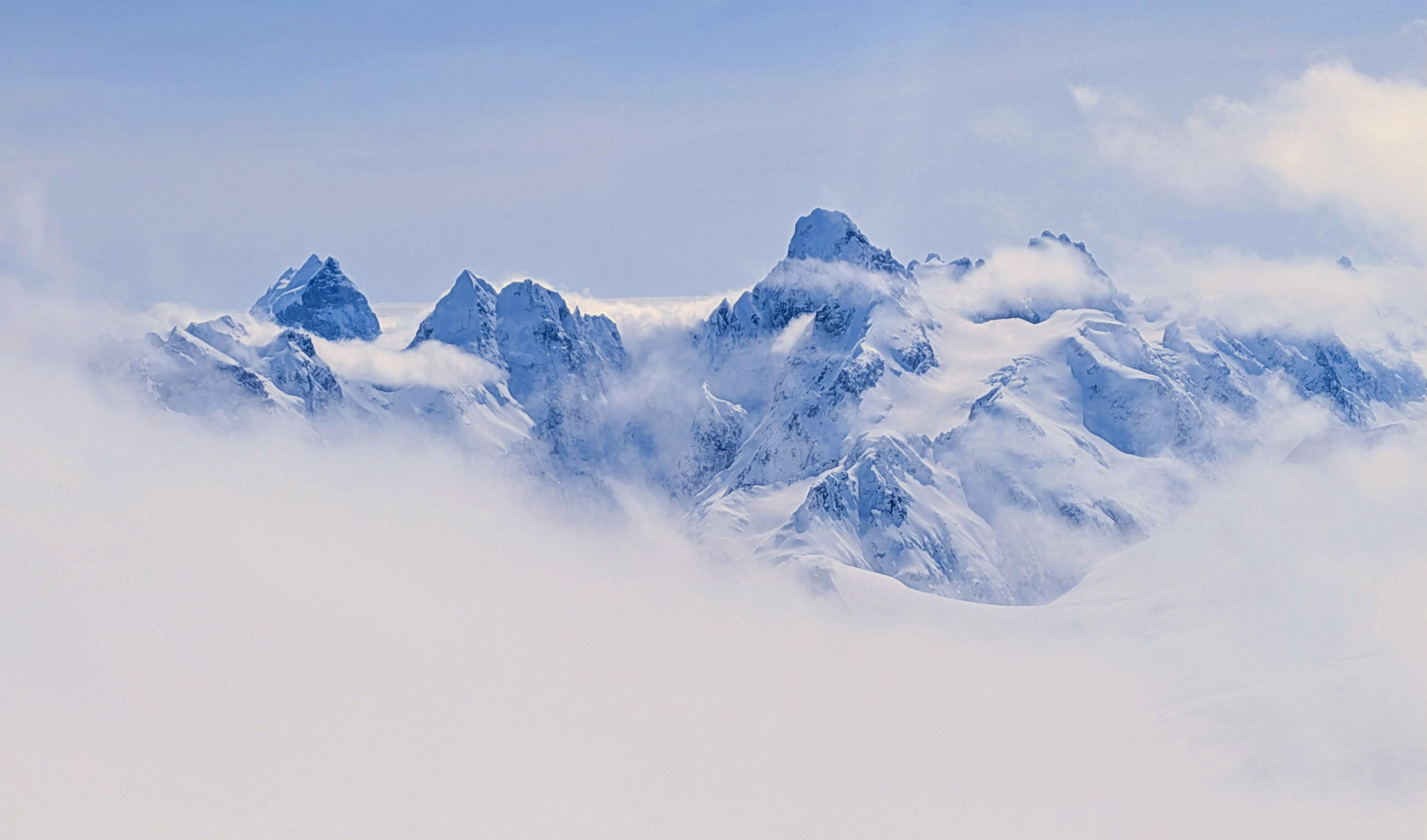
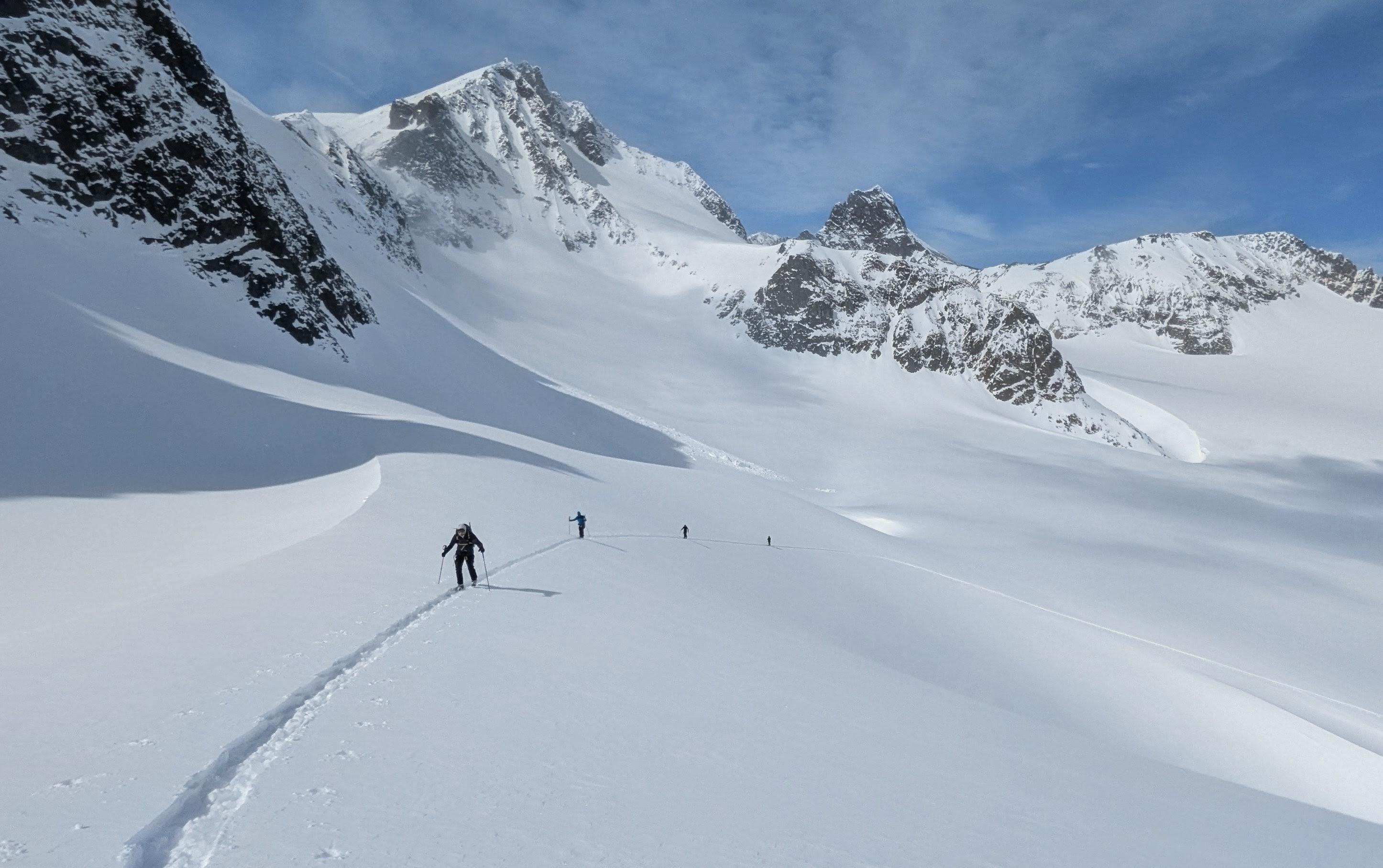
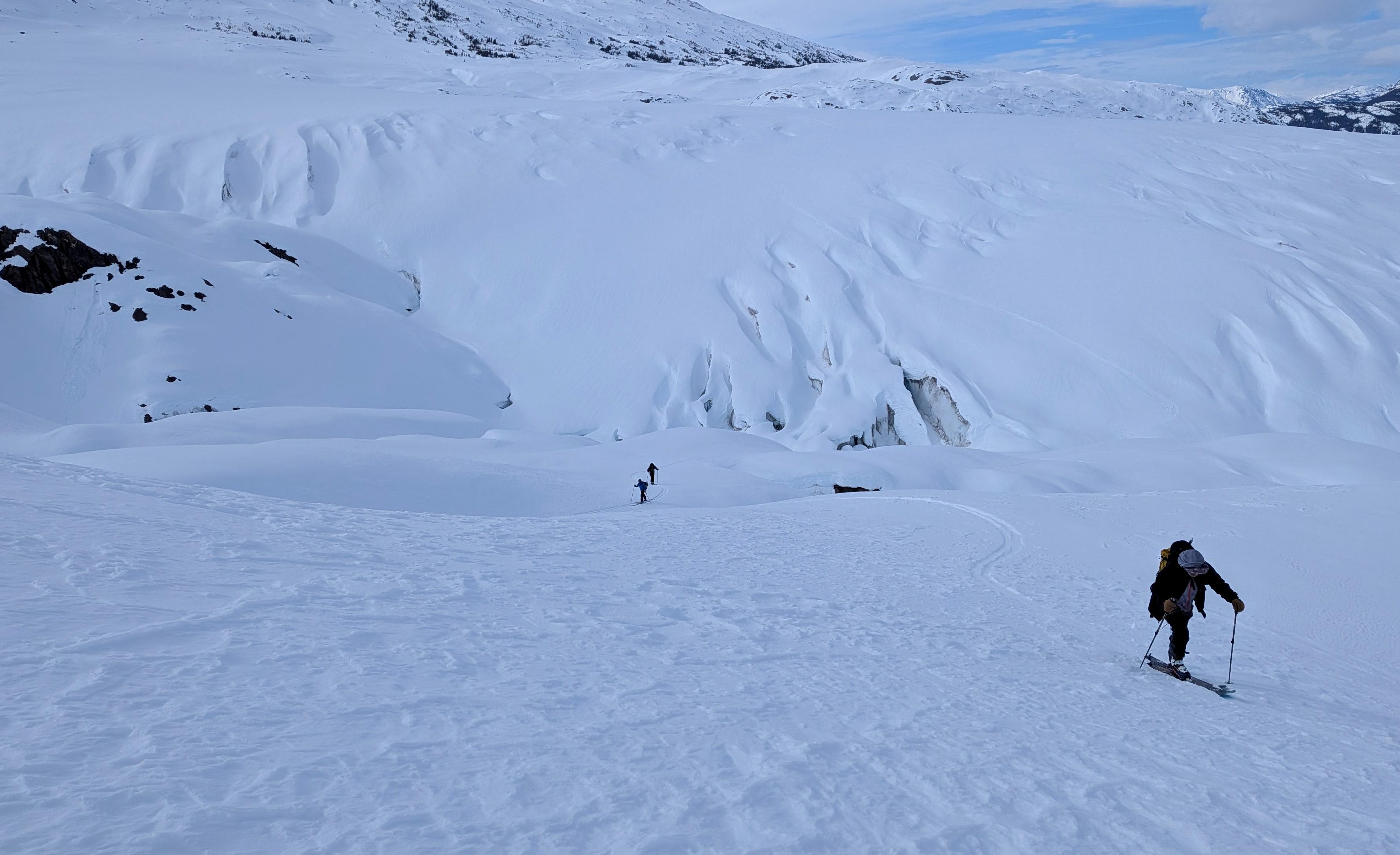
We just wrapped up a weeklong ski touring basecamp on the Canadian side of the Juneau Icecap from April 17-24, 2026. We based ourselves Southeast of the Llewellyn Glacier about 15km North of Mount Nelles and approximately 70km South-southwest of Atlin in Northwest British Columbia. We accessed this remote area of the North Coast mountains with Discovery Helicopters out of Atlin.
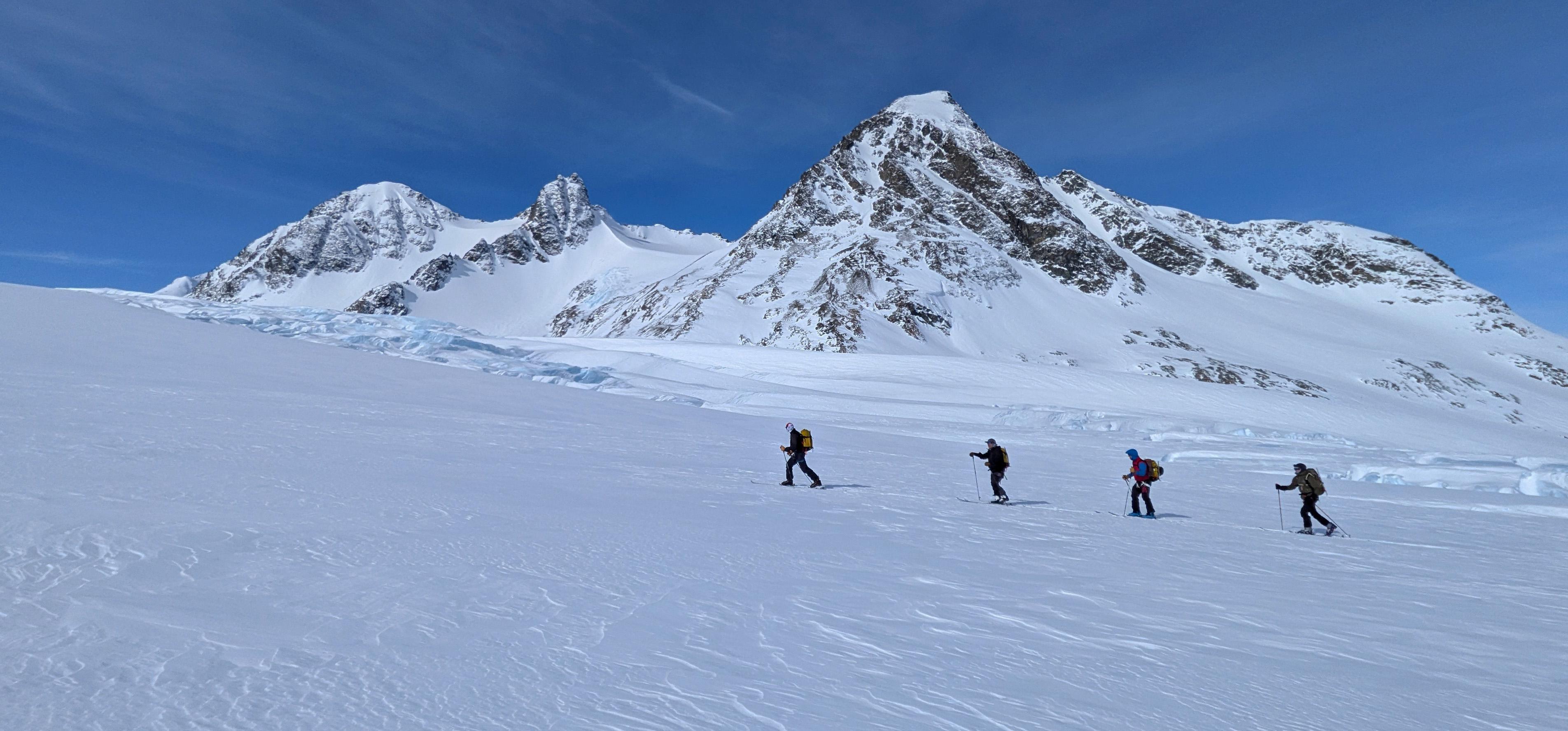
We had hoped to place our camp on the upper Tulsequah Glacier but the weather and flying conditions forced us to enact a plan B which saw us place our camp a little further North at 1130m near the Papaya Nunatak. From there we did daily excursions in various directions while skiing high alpine glaciers and bagging a few peaks. The weather was overall cloudy with moderate southwest winds and temperatures ranging from -10C to 5C. The area received about 10cm of snow during the week. Wind and cloud cover were more consistent earlier in the week. We benefited from more favorable weather conditions later in the week. As we exited, a big warm up was in the forecast.
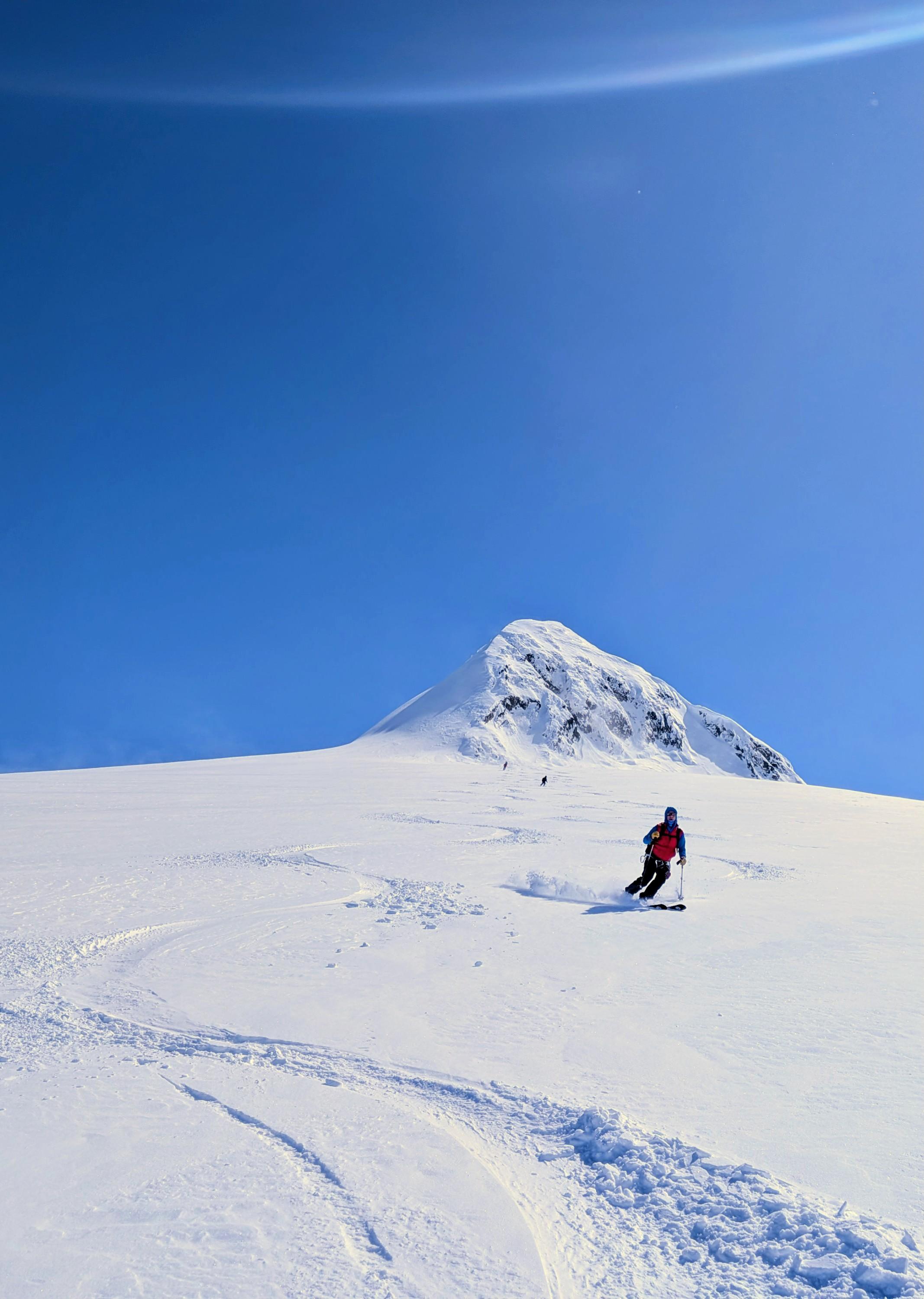
We skied on all aspects between 800m and 2200m on wind affected snow surfaces everywhere except in high sheltered northerly aspects. A spring melt freeze cycle was ongoing for all solar aspects and below 800m. Ski quality was lacking but traveling conditions were excellent which allowed us to cover a fair amount of ground to tag objectives further afield.
We measured upward of 350cm on glaciers above 1500m and about 200cm at 1000m. Treeline in this area is around 1000m. Other than the obvious glacial tension zones, crevasses in this area of the icecap seemed well bridged. The snowpack was very firm on glaciers; we sometimes traveled without a rope when visibility was favorable.
Avalanche wise, we saw evidence of natural wind slab releases during the first part of the week. Cornice falls were also noted and, in some cases, triggering persistent slabs to size 2.5. We didn't trigger avalanches or noticed any other signs of instability. The likelihood of avalanches, distribution, and the expected size all pointed towards a Moderate avalanche risk during most of our trip.
The snowpack layering showed various weak faceted layers in the mid and lower snowpack. This feature was front of mind when considering steeper or more committing slopes with shallow snowpack characteristics.
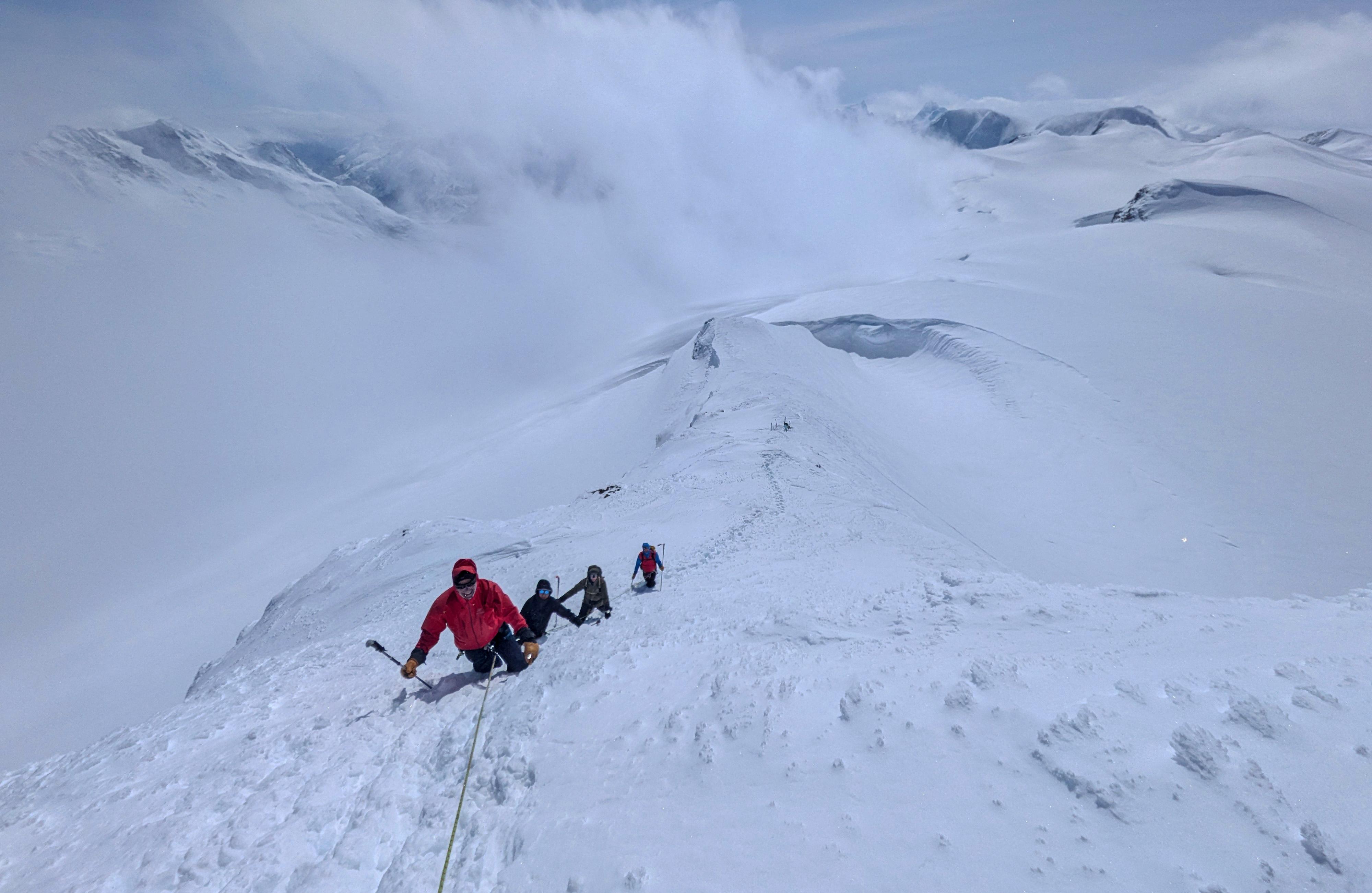
Gear wise, we used ski crampons in wind buffed areas. Boot packing on ridge offered secured ankle to mid calf buckets. We had boot crampons but didn't use them. That said ice axes cam in handy on some of our peak ascents.
Thanks to Gold Rush Heli-skiing for providing pre-trip snowpack information and graciously allowing us to utilize this part of their land tenure. It is a special place where wilderness abound and other users almost nonexistent.
The North Coast Mountains are currently experiencing their first big alpine warm up. This will certainly increase the avalanche risk for the time being and until we see cooler temperatures.
It seems that spring has sprung on the North Coast, enjoy!
David Lussier
ACMG Mountain Guide
www.summitmountainguides.com