Date issued

Feb 1, 2018 - 3:00 PM

Valid until

Feb 2, 2018 - 2:00 PM

Prepared by

michael.olsthoorn

Even though the snowpack appears to be getting better, we have little confidence to explore into bigger terrain.

Regular season
Friday - February 2, 2018
Alpine

3 - Considerable

Dangerous avalanche conditions. Careful snowpack evaluation,cautious route-finding and conservative decision-making essential.

Natural avalanches possible;human-triggered avalanches likely.

Small avalanches in many areas; or large avalanches in specific areas; or very large avalanches in isolated areas.

Treeline

2 - Moderate

Heightened avalanche conditions on specific terrain features. Evaluate snow and terrain carefully; identify features of concern.

Natural avalanches unlikely; human-triggered avalanches possible.

Small avalanches in specific areas; or large avalanches in isolated areas.

Below Treeline

2 - Moderate

Heightened avalanche conditions on specific terrain features. Evaluate snow and terrain carefully; identify features of concern.

Natural avalanches unlikely; human-triggered avalanches possible.

Small avalanches in specific areas; or large avalanches in isolated areas.

Saturday - February 3, 2018
Alpine

3 - Considerable

Dangerous avalanche conditions. Careful snowpack evaluation,cautious route-finding and conservative decision-making essential.

Natural avalanches possible;human-triggered avalanches likely.

Small avalanches in many areas; or large avalanches in specific areas; or very large avalanches in isolated areas.

Treeline

2 - Moderate

Heightened avalanche conditions on specific terrain features. Evaluate snow and terrain carefully; identify features of concern.

Natural avalanches unlikely; human-triggered avalanches possible.

Small avalanches in specific areas; or large avalanches in isolated areas.

Below Treeline

2 - Moderate

Heightened avalanche conditions on specific terrain features. Evaluate snow and terrain carefully; identify features of concern.

Natural avalanches unlikely; human-triggered avalanches possible.

Small avalanches in specific areas; or large avalanches in isolated areas.

Sunday - February 4, 2018
Alpine

3 - Considerable

Dangerous avalanche conditions. Careful snowpack evaluation,cautious route-finding and conservative decision-making essential.

Natural avalanches possible;human-triggered avalanches likely.

Small avalanches in many areas; or large avalanches in specific areas; or very large avalanches in isolated areas.

Treeline

3 - Considerable

Dangerous avalanche conditions. Careful snowpack evaluation,cautious route-finding and conservative decision-making essential.

Natural avalanches possible;human-triggered avalanches likely.

Small avalanches in many areas; or large avalanches in specific areas; or very large avalanches in isolated areas.

Below Treeline

2 - Moderate

Heightened avalanche conditions on specific terrain features. Evaluate snow and terrain carefully; identify features of concern.

Natural avalanches unlikely; human-triggered avalanches possible.

Small avalanches in specific areas; or large avalanches in isolated areas.

Avalanche Problem 1: Wind Slabs

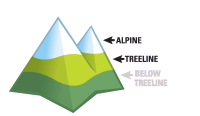
What Elevation?
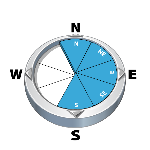
Which Slopes?
Chances of Avalanches?
Expected Size?

Wind slabs are extensive in the alpine dow to tree line.

Travel and Terrain Advice
  • Avoid steep lee and cross-loaded slopes
  • Avoid freshly wind loaded features.

Avalanche Problem 2: Persistent Slabs

What Elevation?
Which Slopes?
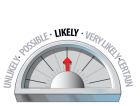
Chances of Avalanches?
Expected Size?

We have not seen many avalanches on this layer so far but the load is building and at some point, the scales will tip.

Travel and Terrain Advice
  • Avoid exposure to overhead avalanche terrain, large avalanches may reach the end of run out zones.
  • Avoid convex rolls at and below treeline where buried surface hoar may be preserved.
  • Carefully evaluate terrain features by digging and testing on adjacent, safe slopes.

Avalanche Summary

No new avalanches observed on our snow study flight.

Snowpack Summary

We had an extensive look around k-country today by helicopter, dug several pits and did not see any avalanche activity.  There is evidence of a lot of wind slab in the alpine and tree line. The January 6 surface hoar layer is down around 60-70cm and is still producing moderate test results but not as widespread as previous.  The December 15 SH is still very obvious in the snowpack and is found about 90cm down but in general not producing test results in our snow pits. The big concern though is that this interface is weak and if anything is triggered in the upper snowpack, it would likely step down to the Dec 15 layer.

Weather Forecast

Friday is to bring a mix of sunny skies with isolated flurries.  Alpine temperatures will be around -7c with west winds 50-60km/h.  More snow on the way for Saturday.

Danger Ratings Explained

1 - Low

Generally safe avalanche conditions. Watch for unstable snow on isolated terrain features.

Natural and human-triggered avalanches unlikely.

Small avalanches in isolated areas or extreme terrain.

2 - Moderate

Heightened avalanche conditions on specific terrain features. Evaluate snow and terrain carefully; identify features of concern.

Natural avalanches unlikely; human-triggered avalanches possible.

Small avalanches in specific areas; or large avalanches in isolated areas.

3 - Considerable

Dangerous avalanche conditions. Careful snowpack evaluation, cautious route-finding and conservative decision-making essential.

Natural avalanches possible; human-triggered avalanches likely.

Small avalanches in many areas; or large avalanches in specific areas; or very large avalanches in isolated areas.

4 - High

Very dangerous avalanche conditions. Travel in avalanche terrain not recommended.

Natural avalanches likely; human-triggered avalanches very likely.

Large avalanches in many areas; or very large avalanches in specific areas.

5 - Extreme

Avoid all avalanche terrain.

Natural and human-triggered avalanches certain.

Large to very large avalanches in many areas.

Avalanche Forecasts in your Inbox

Avalanche Canada has switched to an RSS feed for its daily forecasts. This is a much more flexible method that allows automatic delivery to your email inbox, or to an RSS reader of your choice.

What are RSS feeds?

RSS (Really Simple Syndication) is a popular standardized file format allowing up-to-date delivery of web-based content. RSS feeds enable you to receive content updates from websites, delivered to your email through an RSS aggregator (such as blogtrottr.com) or viewed through applications called RSS readers (such as feedly.com).

Set up an RSS feed for your email:

Select a RSS aggregator

  1. Kananaskis Country, Alberta Parks URL: http://www.avalanche.ca/api/forecasts/kananaskis.rss
  2. Copy the url and paste it into the appropriate field of your RSS aggregator.
  3. Fill in your email address.
  4. Voila! Watch the Avalanche Canada forecast roll into your inbox.

Forecast Disclaimer

Avalanche Canada's Public Avalanche Bulletin, and other information and services provided by Avalanche Canada, are intended for personal and recreational purposes only.

**THIS INFORMATION IS PROVIDED "AS IS" AND IN NO EVENT SHALL THE PROVIDERS BE LIABLE FOR ANY DAMAGES, INCLUDING, WITHOUT LIMITATION, DAMAGES RESULTING FROM DISCOMFORT, INJURY, OR DEATH, CLAIMS BY THIRD PARTIES OR FOR OTHER SIMILAR COSTS, OR ANY SPECIAL, INCIDENTAL, OR CONSEQUENTIAL DAMAGES, ARISING OUT OF THE USE OF THE INFORMATION.**

The user acknowledges that it is impossible to accurately predict natural events such as avalanches in every instance, and uses the data in this bulletin with this always foremost in mind. The accuracy or reliability of the data is not guaranteed or warranted in any way and the Providers disclaim liability of any kind whatsoever, including, without limitation, liability for quality, performance, merchantability and fitness for a particular purpose arising out of the use, or inability to use the data.